

Indoor Plants for Air Quality: 8 Best Easy-Care Picks
Estimated read time: 9 minutes
Choosing the right indoor plants for air quality starts with a surprising fact: the air inside your home can be significantly more polluted than the air outside. Paints, furniture, cleaning products, carpets and synthetic materials all release chemicals into the air in a process called off-gassing. Common indoor air pollutants include formaldehyde, benzene, xylene, ammonia and trichloroethylene, and most of us breathe these in every single day without realising it.
The idea that houseplants can clean indoor air became widely known after a famous NASA Clean Air Study in the 1980s, which found that certain plants could remove significant quantities of these chemicals from a sealed environment. A real home is very different from a sealed test chamber, and later research shows that plants alone have a much smaller effect than good ventilation. Even so, the findings sparked decades of research and gave us a solid list of indoor plants for air quality that contribute to a fresher, healthier indoor space.
In this guide, we walk through the 8 best indoor plants for air quality: what they filter, how to care for them, and where to place them in your home.
How Do Indoor Plants Clean the Air?
Plants absorb carbon dioxide and release oxygen through photosynthesis; that much most of us remember from school. But their air-purifying abilities go further than that. Plants can also absorb airborne chemicals through their leaves and roots, and the microorganisms living in the soil around plant roots help break down pollutants too.
That is why the best indoor plants for air quality act as quiet, natural air filters, working around the clock to reduce the concentration of harmful chemicals in your home.
8 Best Indoor Plants for Air Quality
1. Spider Plant (Chlorophytum comosum)
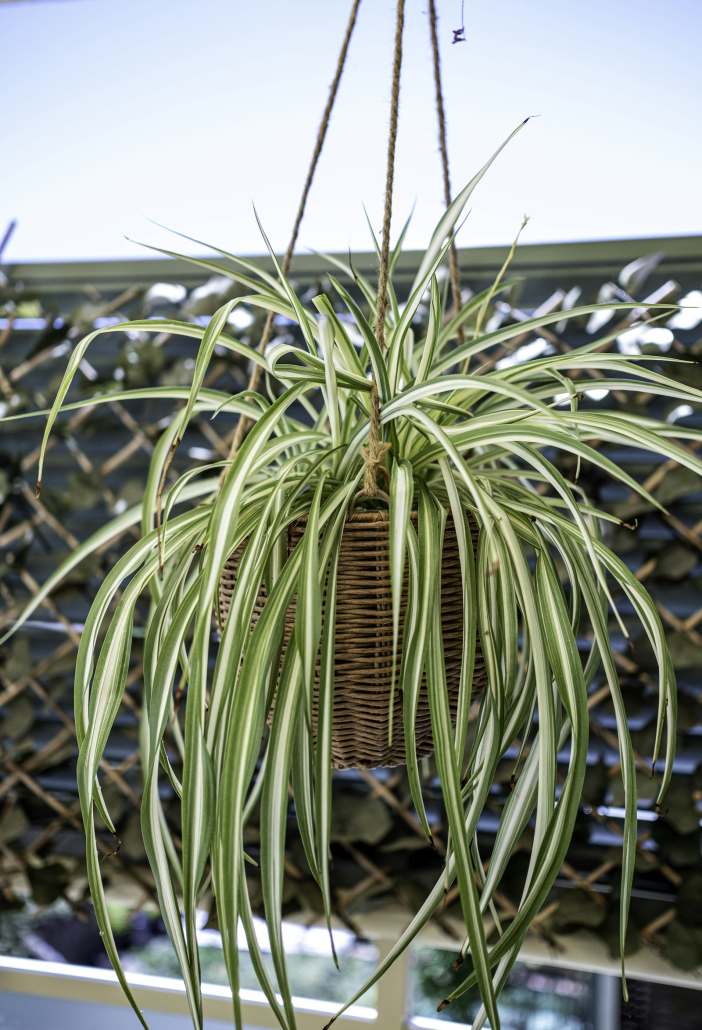
The Spider Plant tops almost every list of indoor plants for air quality, and it is also one of the easiest plants to grow. It is particularly good at removing carbon monoxide and formaldehyde from the air, both of which are common in homes near roads or with gas appliances.
Spider Plants are also completely safe for pets and children, which makes them an ideal choice for family homes. They produce little baby plants called spiderettes that hang down on long runners; these can be cut off and potted to create new plants.
Care: Bright indirect light, water when the top inch of soil is dry, occasional misting in dry weather.
2. Peace Lily (Spathiphyllum)
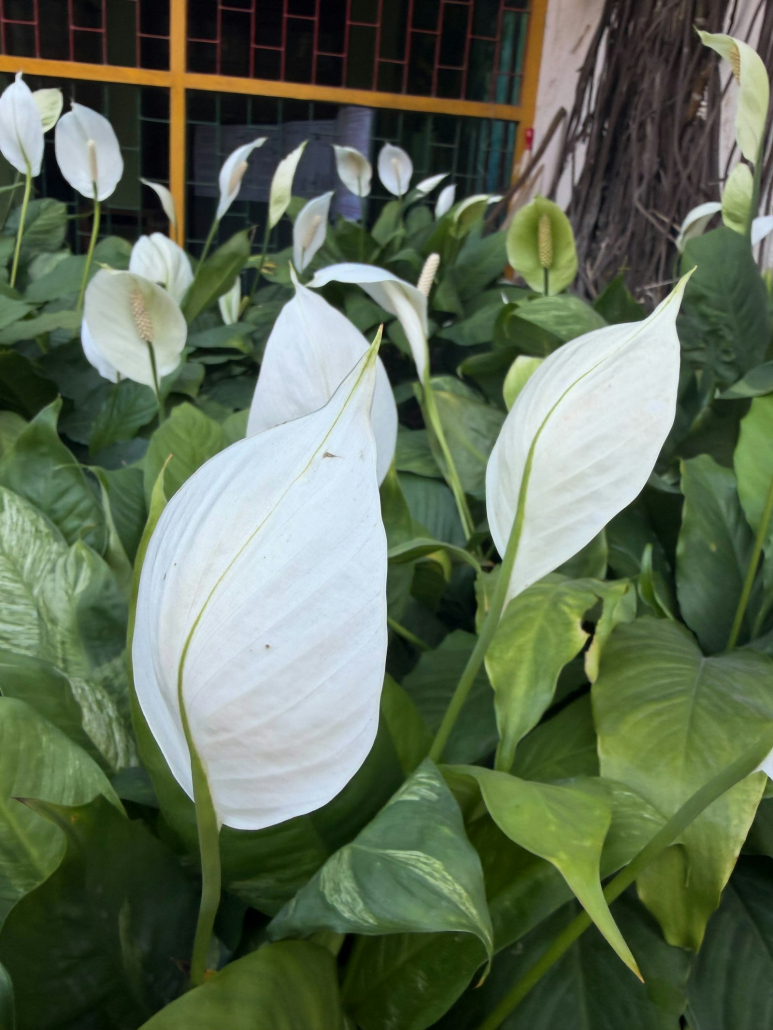
The Peace Lily is one of the few air-purifying plants that also blooms indoors, making it one of the most beautiful indoor plants for air quality. It is particularly effective at filtering benzene, formaldehyde, trichloroethylene, ammonia and xylene, covering most of the major indoor air pollutants.
It also helps raise the humidity in a room by releasing moisture through its leaves, which can help with respiratory comfort in dry indoor environments.
Care: Low to medium indirect light, water weekly, keep away from pets. For everything else, see our complete Peace Lily care guide.
3. Snake Plant (Sansevieria / Dracaena trifasciata)
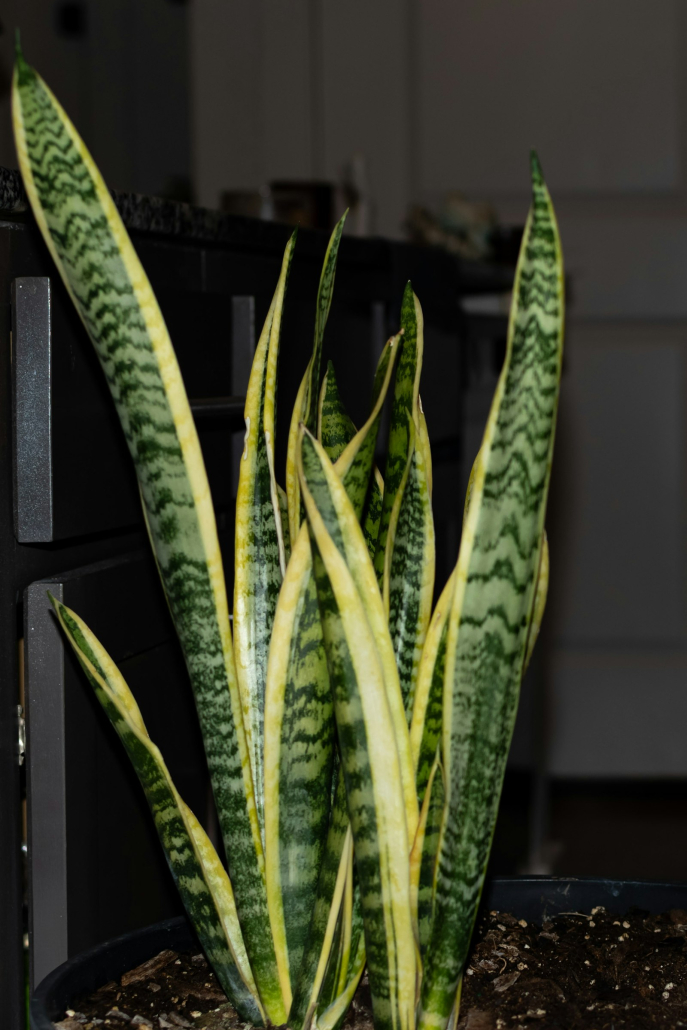
The Snake Plant works a little differently from most houseplants. It uses a process called CAM photosynthesis, which means it opens its pores and absorbs carbon dioxide at night instead of during the day. That night-time activity, together with how little attention it needs, makes it one of the most popular plants for bedrooms.
It filters formaldehyde, benzene, xylene and trichloroethylene effectively, and it is almost indestructible in terms of care requirements.
Care: Tolerates low light and infrequent watering. Perfect for beginners; see our guide to the 10 best low-light indoor plants for beginners for more details.
4. Aloe Vera
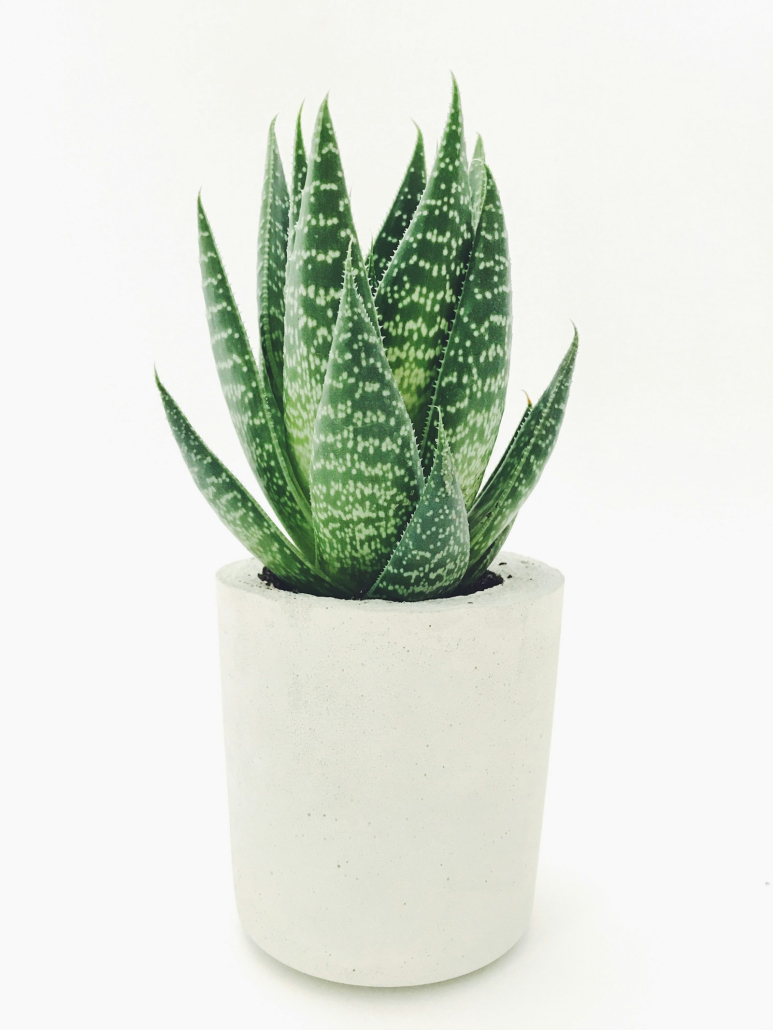
Aloe Vera is best known for the healing gel inside its leaves, but it is also a capable air purifier, particularly good at filtering formaldehyde and benzene. Like the Snake Plant, it uses CAM photosynthesis and absorbs carbon dioxide at night, so it is another good choice for a sunny bedroom windowsill.
Aloe Vera needs more light than most plants on this list, so place it near a sunny window for best results.
Care: Bright light, water deeply but infrequently (every 2–3 weeks), let soil dry completely between waterings. Excellent drainage is essential.
5. Boston Fern (Nephrolepis exaltata)

Boston Ferns are among the most effective plants for removing formaldehyde from the air. They also act as natural humidifiers, releasing water into the air through their fronds. This makes them particularly valuable in dry homes during winter, when heating reduces air moisture.
The trade-off is that Boston Ferns are a bit more demanding than other plants on this list. They need consistent moisture and humidity, and they will drop leaves if the air gets too dry.
Care: Indirect light, keep soil consistently moist, mist regularly or use a pebble tray for humidity. Not the best choice for beginners, but worth the effort.
6. Rubber Plant (Ficus elastica)
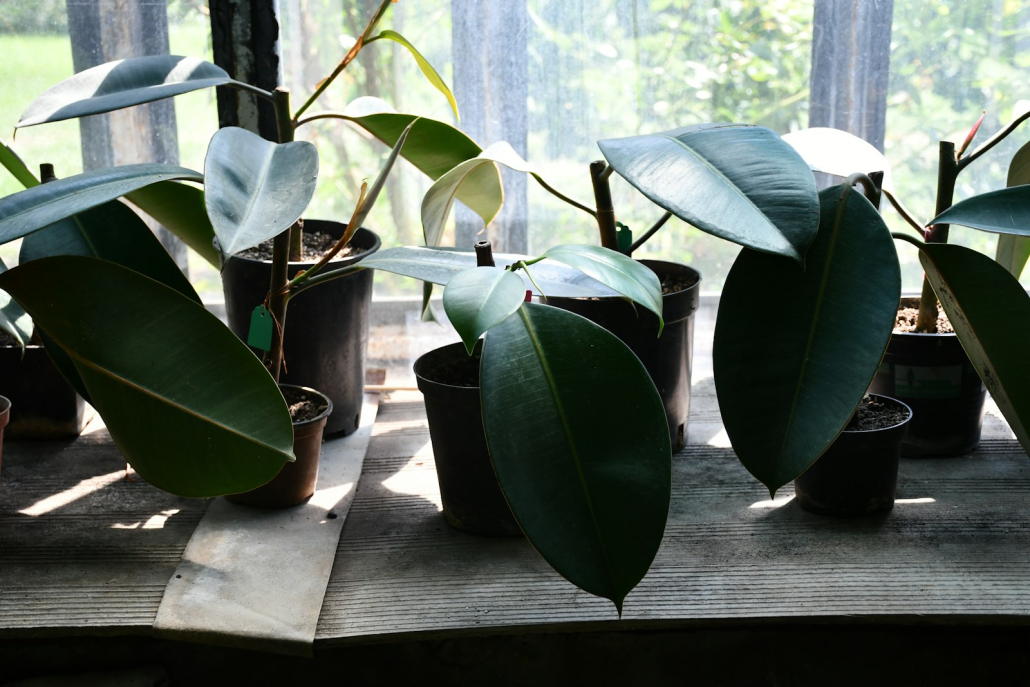
The Rubber Plant is a stunning statement plant with large, glossy leaves in deep green or burgundy. It is an excellent formaldehyde filter and grows quickly in good conditions, giving you more air-purifying leaf surface as it matures.
It is one of the best indoor plants for air quality in larger spaces where you want both impact and function.
Care: Bright indirect light, water when the top inch of soil dries, wipe leaves occasionally to keep them clean and effective.
7. Bamboo Palm (Chamaedorea seifrizii)
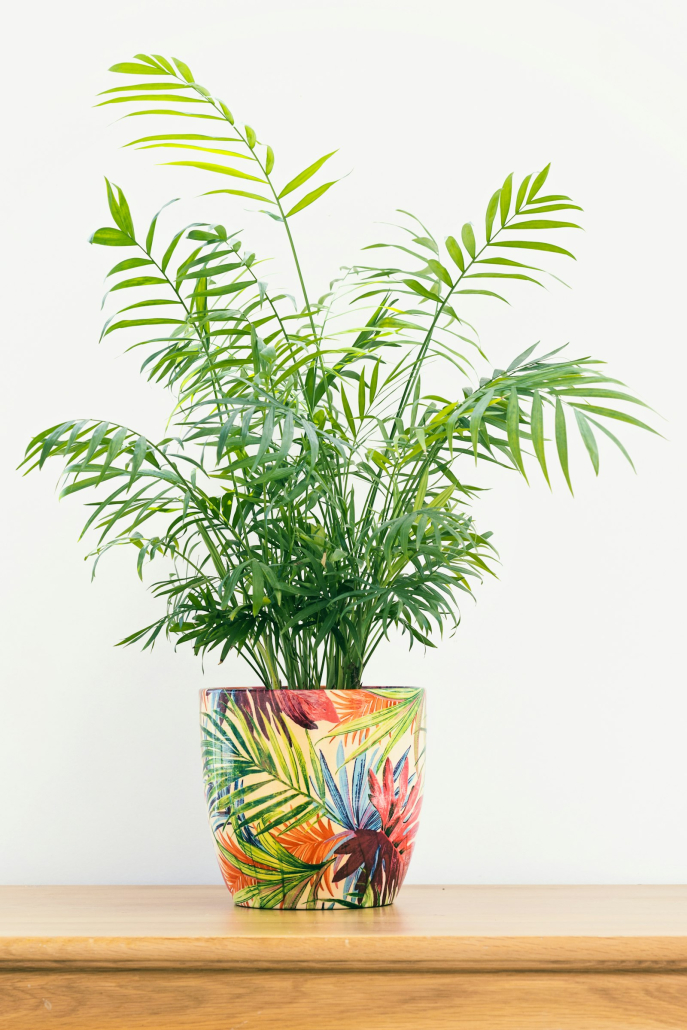
The Bamboo Palm is one of the top-rated air purifiers in multiple studies. It removes benzene, trichloroethylene and formaldehyde particularly effectively and also acts as a natural humidifier. It grows well in indirect light and adds a wonderful tropical feel to any room, making it a favourite among indoor plants for air quality.
Care: Indirect light, keep soil evenly moist, avoid cold draughts. Relatively easy to care for and pet-friendly.
8. Dracaena
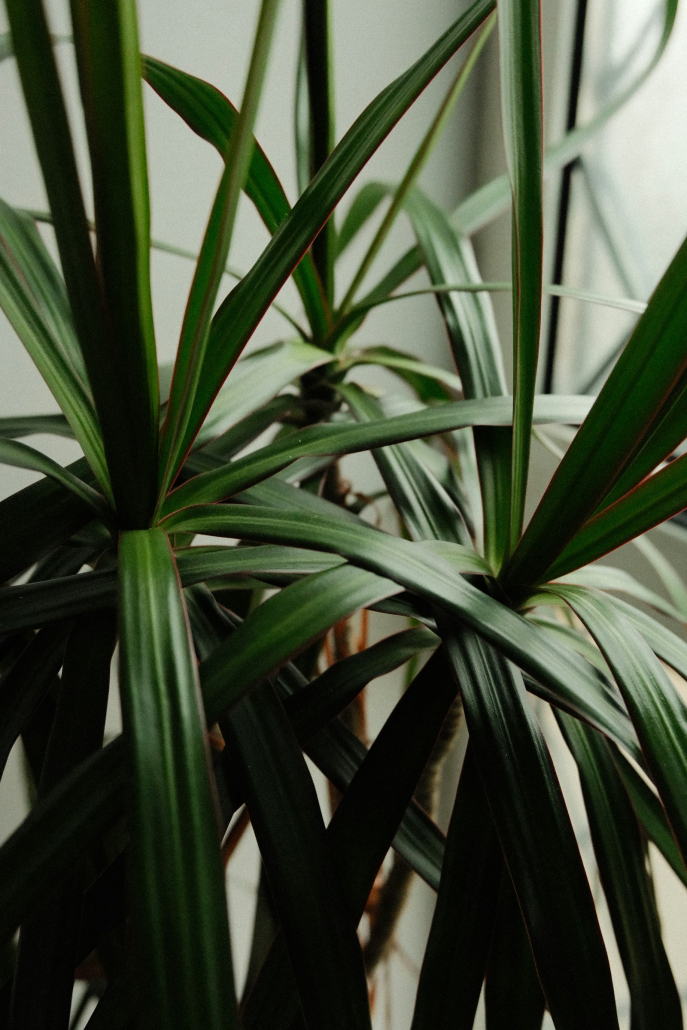
Dracaenas come in many varieties, and almost all of them are effective at filtering indoor air pollutants including benzene, formaldehyde, trichloroethylene and xylene. The Dracaena marginata, with its distinctive red-edged leaves, is a particular favourite.
They grow tall and slim, which makes them ideal for narrow spaces or corners where you want some greenery without taking up much floor space.
Care: Low to medium indirect light, water every 7–10 days, use filtered water to avoid fluoride sensitivity. If the leaf tips start turning yellow or brown, our guide on why indoor plant leaves turn yellow will help you find the cause.
How Many Indoor Plants for Air Quality Do You Need?
This question comes up a lot, and the honest answer is: far more than most homes could hold for a big, measurable effect on air quality. Opening windows and running extractor fans still do much more to clear indoor pollutants than plants do.
That does not make plants pointless. Having a few air-purifying plants in the spaces where you spend the most time, such as your bedroom, living room and home office, adds to a cleaner, fresher environment alongside good ventilation.
The bigger benefit for many people is the psychological one. Studies consistently show that having plants around reduces stress, improves mood and helps people feel more at ease. And that benefit starts with your very first plant.
Best Placement Tips
Where you put your indoor plants for air quality matters as much as which ones you choose. Here is a room-by-room guide:
- Bedroom: Snake Plant or Aloe Vera (they absorb carbon dioxide at night)
- Living room: Peace Lily, Rubber Plant or Bamboo Palm (high traffic, good filtration)
- Kitchen: Spider Plant or Aloe Vera (help with cooking fumes and gas emissions)
- Home office: Dracaena or Peace Lily (reduce VOCs from electronics and furniture)
- Bathroom: Boston Fern or Peace Lily (they love the humidity)
Frequently Asked Questions
What are the best indoor plants for air quality for beginners?
The Spider Plant and the Snake Plant are the easiest indoor plants for air quality to start with. Both tolerate missed waterings, adapt to different light levels and rarely suffer from pests.
Do indoor plants really improve air quality?
They help, but modestly. Plants absorb small amounts of airborne chemicals and carbon dioxide, and some add humidity. For a noticeable improvement, combine them with regular ventilation, such as opening windows and using extractor fans.
Which air-purifying plants are safe for cats and dogs?
From this list, the Spider Plant, Bamboo Palm and Boston Fern are non-toxic to pets. Peace Lily, Snake Plant, Aloe Vera, Rubber Plant and Dracaena can upset pets if chewed, so keep them out of reach.
Can I keep air-purifying plants in my bedroom?
Yes. Snake Plants and Aloe Vera are especially good bedroom choices because they absorb carbon dioxide at night, and a Peace Lily adds gentle humidity while you sleep.
Final Thoughts
The relationship between houseplants and air quality is a fascinating one. Plants cannot replace proper ventilation, but they are a beautiful, natural and low-cost way to contribute to a healthier indoor environment.
Start with one or two indoor plants for air quality from this list. The Spider Plant and Snake Plant are our top recommendations for beginners. Then build your collection gradually; each plant you add is one more small step toward a healthier, greener home.
And if you are just starting your plant journey and are not sure which plants suit your home’s light conditions, our guide to the 10 best low-light indoor plants for beginners is the perfect place to start.
Happy growing!

Leave a Reply
Want to join the discussion?Feel free to contribute!