
How to Make Compost at Home for Your Garden
Estimated read time: 10 minutes
I want to tell you something that took me years to fully appreciate: the single most transformative thing you can do for your garden has nothing to do with buying expensive products, installing fancy irrigation systems, or obsessing over plant varieties. It is learning to make compost at home. Good old-fashioned, made-from-your-kitchen-scraps, smells-like-earth-after-rain compost.
Composting is one of those things that sounds more complicated than it actually is. People hear words like “carbon to nitrogen ratio” and “thermophilic bacteria” and immediately assume this is something that requires a science degree. It does not. Humans have been composting, even if they did not call it that, for thousands of years. We are just returning to something our grandparents knew instinctively.
This guide walks you through everything you need to make compost at home, from choosing your bin to using the finished product in your garden. By the end of it, you will wonder why you ever threw vegetable peels in the bin.
Why Make Compost at Home?
Before we get into the how, let us talk about the why, because if you understand what compost actually does to your soil, you will be motivated to stick with it even when it feels like a bit of an effort at first.
Compost is essentially decomposed organic matter. When you add it to your garden soil, several things happen at once. The soil structure improves: heavy clay soils become lighter and more workable, while sandy soils gain the ability to hold water and nutrients better. Beneficial microorganisms multiply, creating a living ecosystem beneath the surface that supports plant health in ways that synthetic fertilizers on their own cannot.
Plants grown in compost-enriched soil tend to be healthier, more productive and better able to cope with stress. You also cut the amount of waste going to landfill. According to the US Environmental Protection Agency, food scraps and yard waste make up a large share of what households throw away, and almost all of it can be composted. It is a meaningful contribution that needs no grand gestures, just a kitchen bin for scraps and a corner of the garden.
Compost is what happens when you trust nature to do its job. All you have to do is set up the right conditions.
What You Can and Cannot Compost
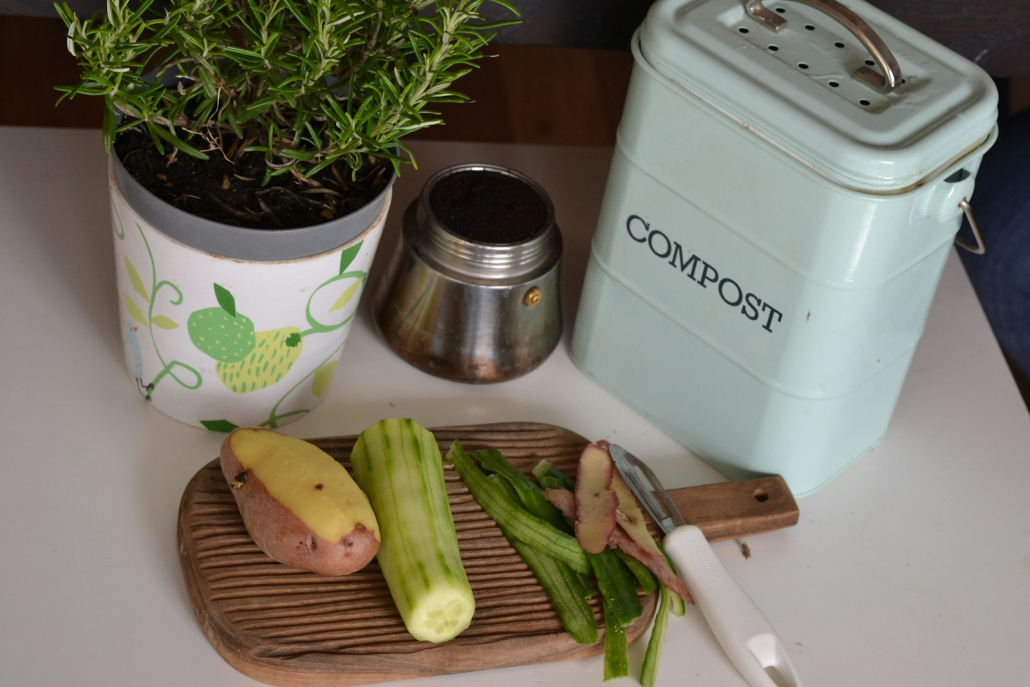
Green stuff: nitrogen-rich materials
Green materials are the nitrogen-rich ingredients that fuel decomposition. They tend to be moist and fresh.
- Vegetable and fruit peelings and scraps
- Coffee grounds and paper coffee filters
- Tea bags (check they are plastic-free first)
- Fresh grass clippings
- Fresh plant trimmings and weeds that have not yet set seed
- Eggshells, crushed (they break down slowly but add calcium)
- Plain bread and cooked grains in small quantities, buried in the middle of the pile
Brown stuff: carbon-rich materials
Brown materials provide carbon and create the structure that lets air circulate through the pile. Without them, your compost becomes a soggy, smelly mess.
- Cardboard and paper torn into small pieces
- Dry fall leaves
- Straw
- Sawdust from untreated wood
- Dry plant stems
- Shredded newspaper
What to avoid
Some things do not belong in a home compost pile, either because they attract pests, create unpleasant smells, or introduce harmful pathogens.
- Meat, fish and bones
- Dairy products
- Cooked food with oil or sauces
- Diseased plants
- Weeds that have already gone to seed
- Pet waste from cats or dogs
- Chemically treated wood or sawdust
- Anything with persistent pesticide residue
Choosing Your Composting Setup
There is no single right way to make compost at home. The best method is whichever one you will actually use consistently. Here are the main options.
Open pile composting
An open pile is the cheapest way to make compost at home if you have a little outdoor space.
The simplest approach: pile your materials in a corner of the garden. This works perfectly well if you have space and are not worried about appearance. For the pile to heat up and break down efficiently, aim for about 3 x 3 x 3 feet (roughly 1 cubic meter).
Turn the pile regularly with a fork or spade to let in oxygen, and keep it as moist as a wrung-out sponge. This method usually produces compost in six to twelve months.
A contained bin
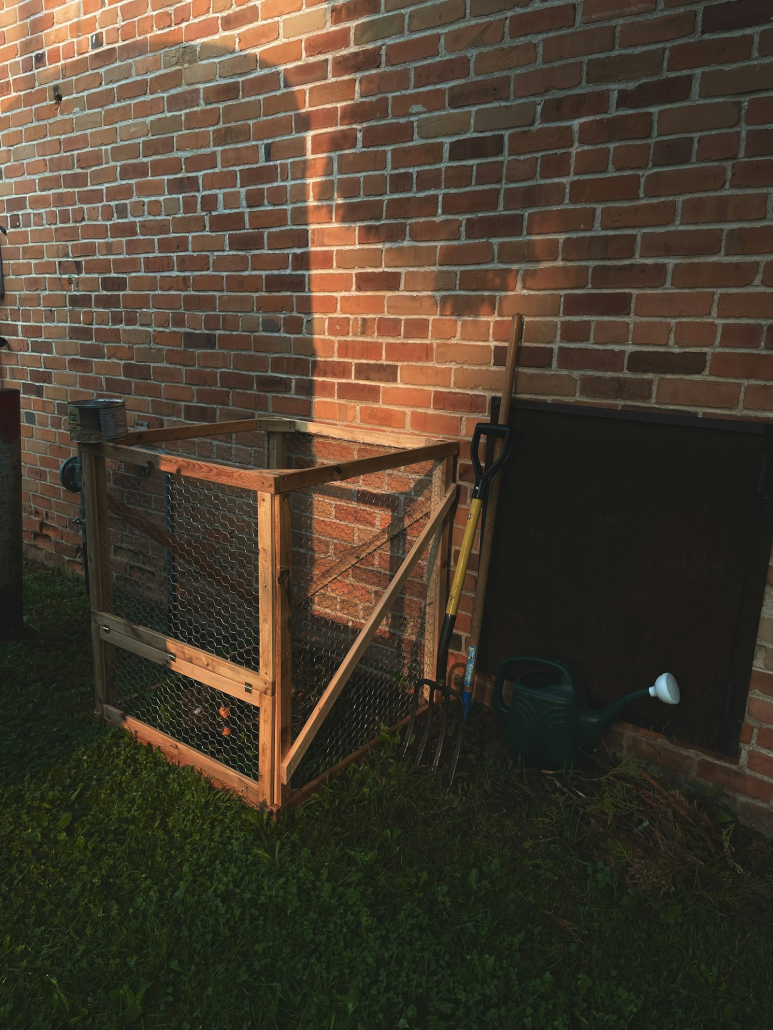
If you want to make compost at home without a messy corner, most people opt for some kind of contained bin: a simple wooden frame, a plastic compost bin from a garden center, or a homemade structure built from old pallets. A bin keeps things tidy, holds moisture and discourages pests better than an open pile.
In some areas, cities, counties or local councils offer subsidised compost bins, so it is worth checking before you buy one at full price.
Tumbler composters
Tumbler composters are sealed drums that you rotate to mix the contents. They cost more than a simple bin but are faster, cleaner and much better at keeping pests out. With the right balance of materials and regular turning, a tumbler can produce usable compost in as little as two to three months. They are a good option if you have rats, raccoons or other curious wildlife nearby.
Worm composting (vermicomposting)
If you live in a flat, worm composting is the easiest way to make compost at home. It uses composting worms, usually red wigglers, to break down kitchen scraps in a layered bin. The worms produce incredibly rich compost called worm castings, and they work quickly and quietly with very little smell. This method is ideal for small outdoor spaces, balconies, or even indoors in a kitchen or garage.
How to Make Compost at Home: 7 Easy Steps
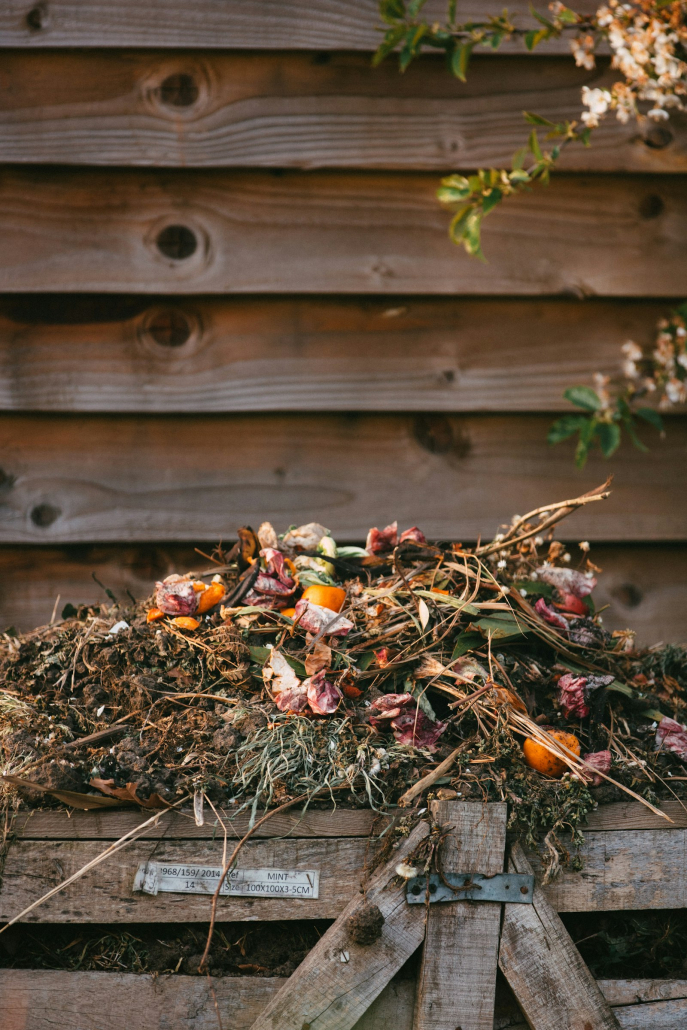
- Start with coarse browns. Lay down dry sticks, straw or scrunched cardboard at the base so air can circulate from the bottom.
- Add a green layer. Spread 2 to 4 inches (5 to 10 cm) of kitchen scraps, fresh cuttings and coffee grounds.
- Cover with browns. Add another brown layer of similar thickness. This is the rhythm you will repeat every time you add to the pile.
- Check the moisture. Dampen the pile if it seems dry. It should feel like a wrung-out sponge: damp but not dripping.
- Add a starter. If you have finished compost or garden soil handy, add a thin layer. It introduces the microorganisms that kick-start the whole process.
- Keep layering. Keep adding greens and browns as you collect them, aiming for roughly equal volumes over time.
- Turn the pile. Mix it every two to four weeks to add oxygen, which speeds up decomposition and prevents bad smells.
Troubleshooting Common Compost Problems
My compost smells horrible
A bad smell usually means too much green material and not enough air. The pile has probably become anaerobic, meaning it is breaking down without oxygen, which produces sulfurous gases. Add plenty of brown material, turn the pile thoroughly, and the smell should fade within a few days.
Nothing seems to be happening
If the pile looks the same after several weeks, it is probably too dry, too small, or short of nitrogen-rich green material. Water it, add fresh kitchen scraps, turn it, and give it another couple of weeks.
The pile is attracting pests
Rats and mice are usually drawn by food scraps, especially cooked food, meat or dairy. Stick to the right materials, bury fresh scraps in the center of the pile rather than leaving them on top, and consider switching to a sealed bin or tumbler.
My compost looks finished but is still lumpy
Run it through a garden sieve to remove larger pieces that have not fully broken down. Return those to the pile, and use the sieved material straight away.
How to Know When Your Compost Is Ready
The patience pays off: here is how to tell when the compost you make at home is ready to use.
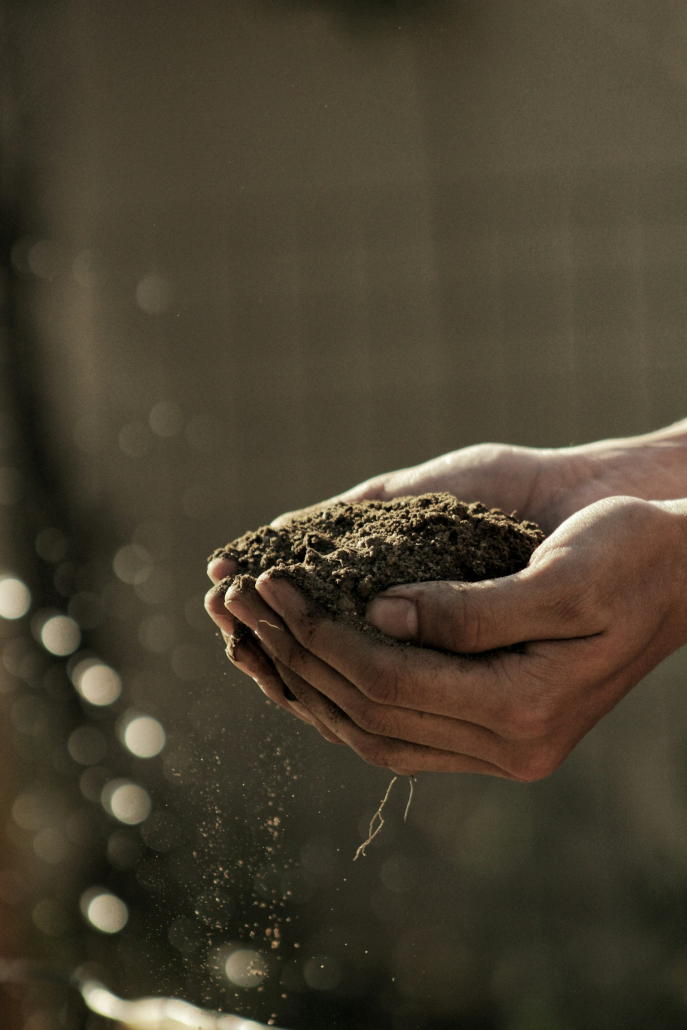
Finished compost looks like rich, dark brown soil. It should smell earthy and pleasant, not sour or sulfurous. You should not be able to recognize the original materials. If you can still see pieces of vegetable peel or newspaper, it needs more time.
The texture should be crumbly and fairly even. Scoop up a handful: it should feel loose and slightly moist, not sticky or clumped together.
How to Use Compost in Your Garden
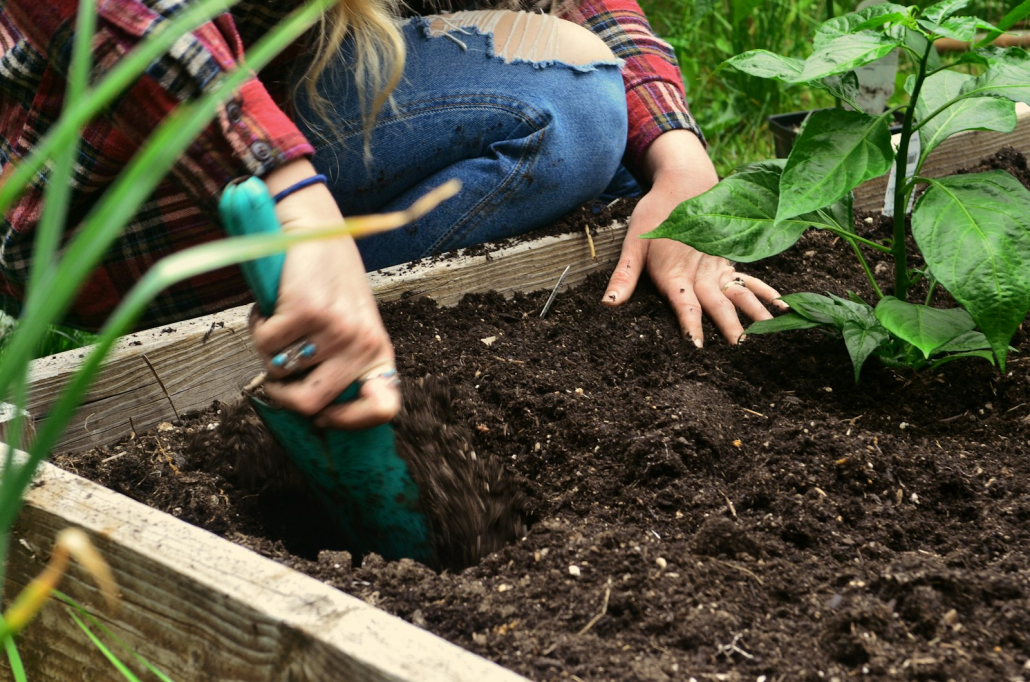
Once your compost is ready, there are several ways to put it to work:
- As a soil improver: dig 2 to 4 inches (5 to 10 cm) of compost into your beds before planting. This is the most thorough way to improve soil structure and fertility.
- As mulch: spread a 1 to 2 inch (3 to 5 cm) layer around existing plants, keeping it away from stems. It suppresses weeds, holds moisture and slowly feeds the soil.
- In potting mix: mix roughly one part compost with three parts potting mix for a richer growing medium for container plants, including the ones in our indoor gardening guide for beginners.
- As a lawn top dressing: spread a thin layer of sieved compost over your lawn in fall to improve the soil and encourage stronger grass.
Compost also gives new cuttings a great start. If you like multiplying plants for free, see our guide to plants you can grow from cuttings.
Frequently Asked Questions
How long does it take to make compost at home?
An open pile or simple bin usually takes six to twelve months. A well-managed tumbler or a hot, regularly turned pile can be ready in two to three months.
Can I make compost at home without a garden?
Yes. A worm bin or a small sealed bokashi bucket works on a balcony or even indoors, and the finished compost is perfect for pots and containers.
Does compost smell bad?
A healthy compost pile smells earthy, like a forest floor. A bad smell is a sign of too many greens and too little air, and it is easily fixed by adding browns and turning the pile.
Is compost the same as fertilizer?
Not quite. Compost mainly improves the soil and feeds it slowly, while fertilizers supply concentrated nutrients. Most gardens do best with compost as the foundation and fertilizer added when specific plants need a boost.
A Final Word
Composting is not a perfect science and it should not feel like one. You will have smelly batches, slow patches and the occasional pest investigation. That is normal. Every gardener who has been doing this for years has had the same experiences.
The point is to start. Anyone can make compost at home. Even if your first batch takes longer than expected, even if it looks nothing like the beautiful dark compost you see in photos, it will still do your soil a world of good. And every pound of kitchen waste you turn into compost is one less pound sent to landfill.
If you grow herbs or vegetables in containers and want to know how to feed them well, read our guide to the best fertilizers for home gardens. Compost is naturally part of that conversation too.
Happy composting!

Aqdas Rehman is the founder of Plants Insider. He started the Plants Insider YouTube channel in 2018, sharing plant varieties, propagation and plant-care videos that have been watched by plant lovers around the world, and launched plantsinsider.com in 2021 to turn those lessons into practical, easy-to-follow guides for indoor plants, gardening and growing your own food.

Leave a Reply
Want to join the discussion?Feel free to contribute!