
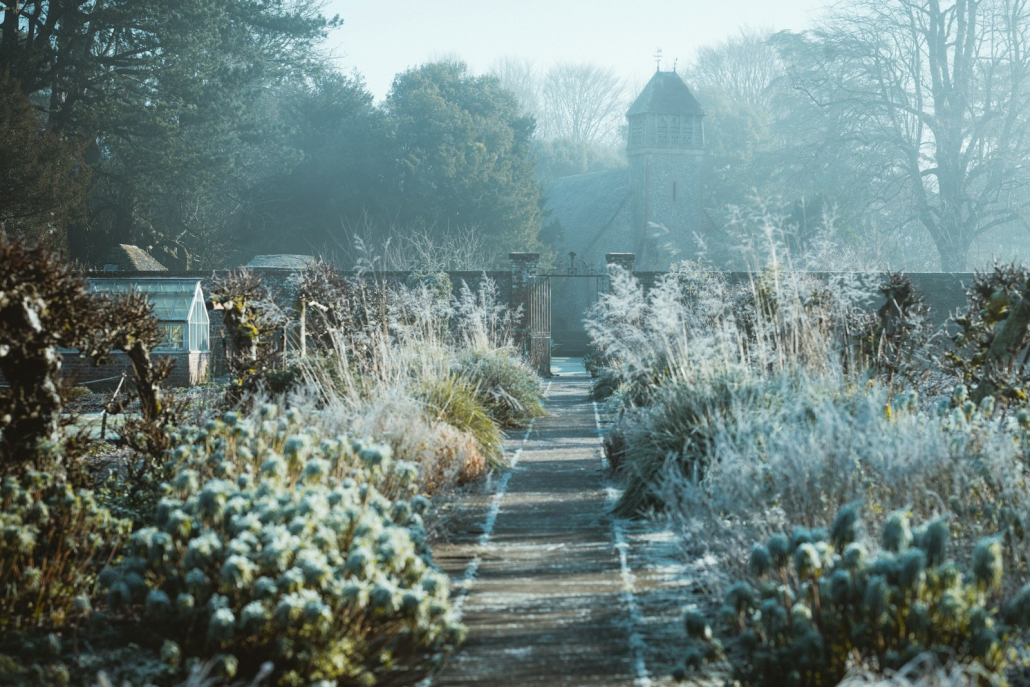
How to Protect Your Plants in Winter: A Complete Guide
Estimated read time: 12 minutes
There is a particular kind of sadness in finding a beloved plant killed by frost. You grew it all summer, watched it flower and thrive, and then one cold night undid months of care in a matter of hours. It happens to almost every gardener, and it is exactly why it pays to learn how to protect plants in winter before the first hard freeze arrives.
Protecting plants in winter is not complicated, but it does take a little planning. Knowing which plants need protection, what kind they need and when to act makes the difference between losing half your garden and carrying your best plants safely through to spring.
This guide covers it all, from tough plants that need nothing to tender ones that need real help, with practical steps for gardens, patios and containers.
Understanding Plant Hardiness
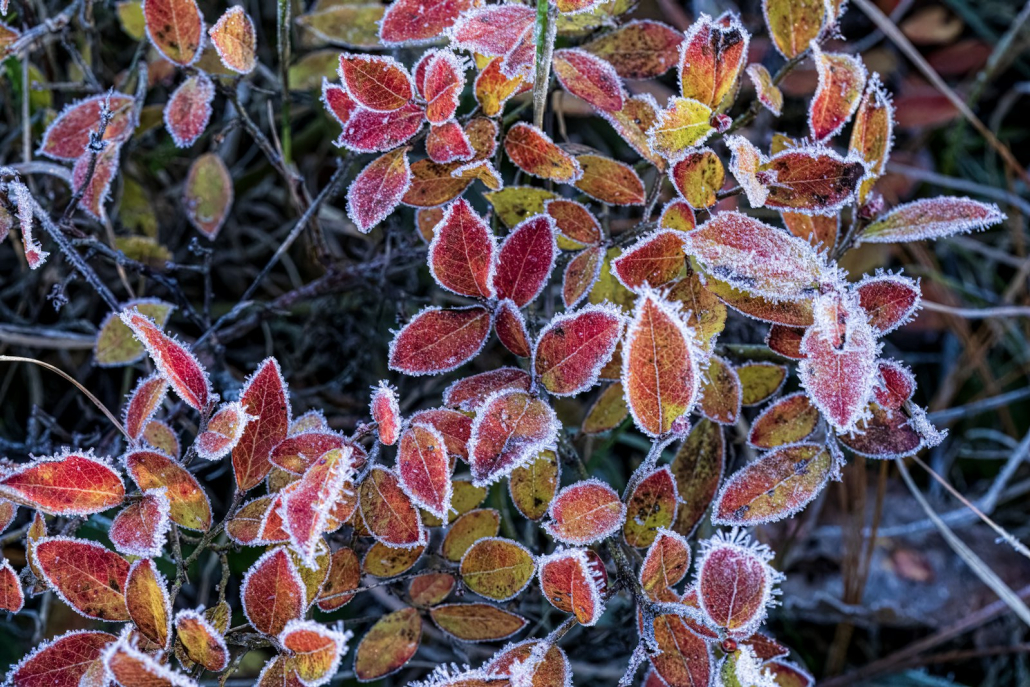
Not all plants respond to cold in the same way. Plant hardiness describes how low a temperature a plant can survive, and it varies enormously between species. Knowing the hardiness of your plants is the foundation of protecting plants in winter.
In the US, start by finding your area on the USDA Plant Hardiness Zone Map. Plant labels list the zones where a plant survives winter outdoors, so you can see at a glance whether it needs help. In the UK, plant labels often show an RHS hardiness rating (H1 to H7) that works the same way.
Fully hardy plants
These are the plants you rarely need to protect in winter.
Fully hardy plants survive temperatures well below freezing, down to 5°F (−15°C) or lower in many cases. They need no winter protection in most temperate climates; winter cold is a natural part of their yearly cycle.
Examples include most deciduous trees and shrubs, many perennials (hostas, rudbeckia, peonies), most ornamental grasses, and cold-tolerant vegetables like kale, leeks and Brussels sprouts.
Frost-hardy plants
Frost-hardy plants survive moderate frosts, typically down to around 23°F (−5°C), but can be damaged by harder freezes or long cold spells. In mild areas they rarely need protection; in colder areas or an unusually hard winter, some help is worthwhile.
Examples include many lavenders, rosemary, many salvias and some ornamental grasses.
Half-hardy plants
Half-hardy plants fall in between: they can handle a light or brief frost but are killed by hard or prolonged freezing. How much protection they need depends on how cold your winters get.
Frost-tender plants
Frost-tender plants are damaged or killed by any frost. They come from tropical or subtropical climates, so in most US and European gardens they are either grown as annuals, brought indoors for winter, or given serious outdoor protection.
Examples include cannas, dahlias, begonias, pelargoniums (often sold as geraniums), tender fuchsias, and most tropical-looking foliage plants.
What Actually Damages Plants in Winter
Understanding how winter damage happens helps you choose the right protection.
Frost damage
When temperatures drop below 32°F (0°C), water in plant tissue can freeze and form ice crystals that rupture cell walls. The damage shows as blackened, collapsed or mushy growth a day or two after the frost. Young shoots and flower buds are the most vulnerable.
Winter burn (drying out)
Cold, dry winds can pull moisture from leaves faster than the plant can replace it, especially when the ground is frozen and roots cannot take up water. This is why evergreens in exposed spots often show brown, scorched-looking leaves by late winter. It looks like frost damage, but it is really drying.
Waterlogging
Cold, wet soil kills many plants that would survive dry cold perfectly well. Mediterranean plants like lavender, rosemary and many succulents can handle sharp, dry cold but rot in a wet winter on heavy clay. Improving drainage and mulching help a great deal.
Frozen roots in containers
Roots in pots are far more exposed than roots in the ground. Soil insulates roots in the garden, but a pot surrounded by freezing air on all sides can freeze solid, killing even fairly hardy plants.
5 Ways to Protect Plants in Winter
1. Mulching
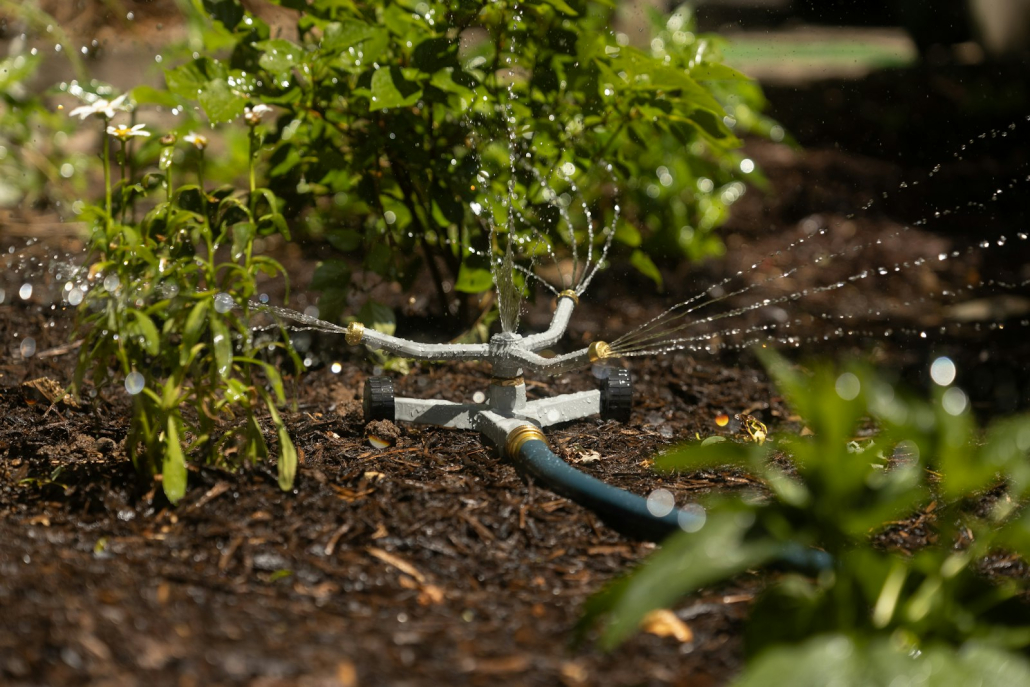
Mulching is the simplest, cheapest and most widely useful way to protect plants in winter. A thick layer of organic mulch insulates the roots, stops the ground freezing as deeply, and shields the crown of the plant from the worst of the cold.
Spread 4 to 6 inches (10 to 15 cm) of mulch in late fall, once the first frosts have chilled the soil. Good materials include compost, shredded bark, straw and fallen leaves. Keep mulch a little away from stems and crowns, because constant contact with wet mulch can cause rot.
For dahlias and cannas left in the ground in mild areas, a deep mulch of 8 to 12 inches (20 to 30 cm) protects them in all but the coldest winters.
Tip: fallen leaves make excellent free mulch. Pile them up in fall and let them rot down into leaf mold over a year; it is one of the best soil improvers there is. Our guide on how to make compost at home shows how to turn garden waste into rich mulch.
2. Frost cloth (horticultural fleece)
When you need to protect plants in winter from a sudden cold snap, frost cloth is the go-to tool. Frost cloth, known as horticultural fleece in the UK, is a lightweight, breathable fabric that traps warmth around plants while letting light, air and moisture through. Depending on its thickness, it can keep plants a few degrees warmer, roughly 2 to 8°F (1 to 4°C), which is often enough to get tender plants through a light frost.
Drape it loosely over plants and weigh down the edges with stones or garden pins, or wrap it around individual shrubs. Avoid plastic sheeting touching leaves: it offers little insulation and can damage foliage where it touches. Remove frost cloth during mild spells so air can circulate and pests and mold do not build up underneath.
3. Insulating containers
If you grow in pots, this is the most important way to protect plants in winter. Container plants are among the most vulnerable in winter because their roots are exposed on all sides. A few simple steps help:
- Move pots to a sheltered spot, such as against a south-facing wall, on a porch or under an overhang. The wall gives off stored warmth and blocks wind.
- Wrap pots in bubble wrap, burlap or old blankets to insulate the roots, and tie them with twine.
- Raise pots on pot feet so they drain freely; frozen, waterlogged potting mix is especially damaging.
- Group containers together so they shelter and insulate each other.
- Move valuable or tender container plants into an unheated garage, shed or greenhouse.
4. Cold frames and cloches
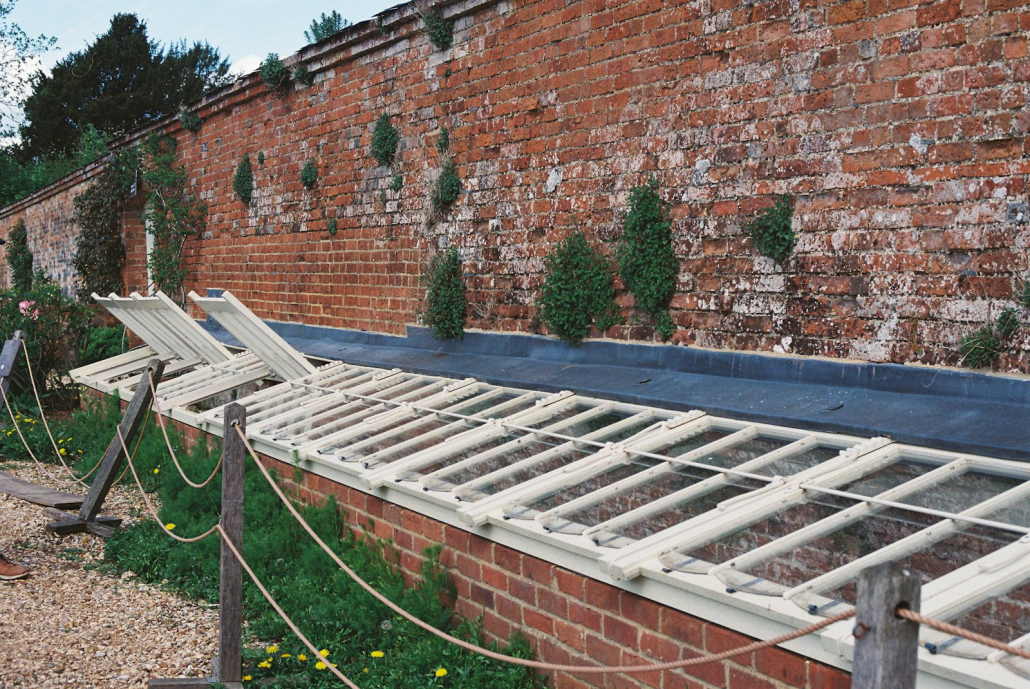
A cold frame is a bottomless box with a clear glass or polycarbonate lid that creates a sheltered pocket of warmer air. It keeps off wind and rain and lets you overwinter half-hardy plants outside through all but the harshest weather.
Cloches are individual covers, traditionally glass bells, now often plastic or polycarbonate, that protect single plants or small groups. They are especially useful for low-growing perennials and overwintering seedlings.
5. Bringing plants indoors
The surest way to protect plants in winter that cannot take any frost is to move them. For truly frost-tender plants, the most reliable winter protection is bringing them inside. A frost-free greenhouse is ideal, but a cool spare room, garage or basement works well for dormant plants that do not need light while resting.
The key is to bring plants in before the first frost, not after. Watch the forecast in early fall and act when night temperatures start dropping toward freezing.
Specific Plants and What They Need
Dahlias
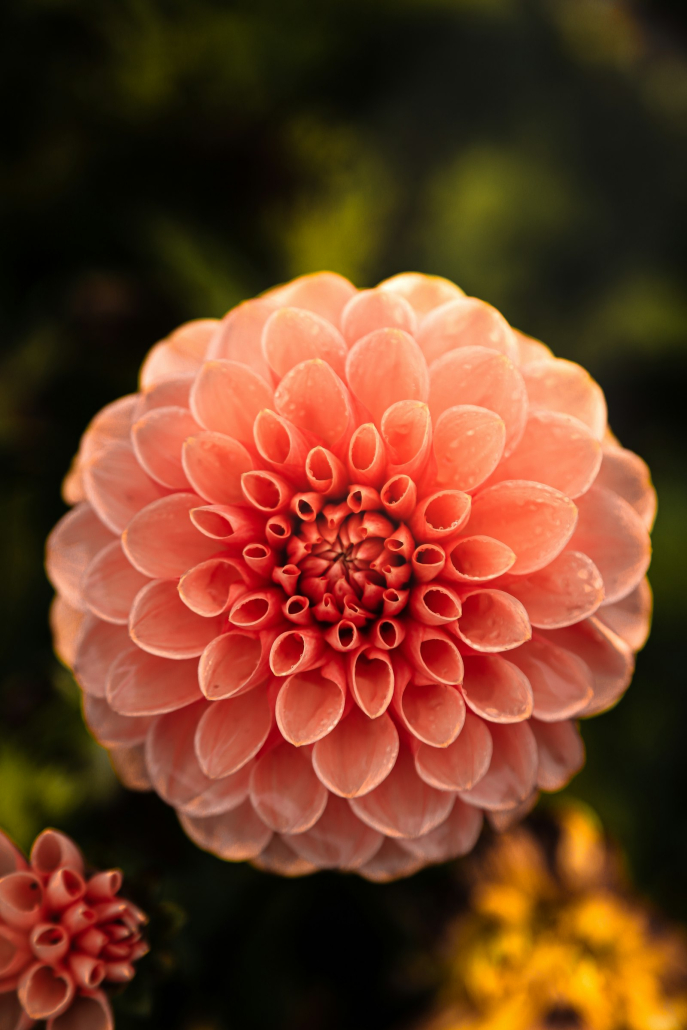
In mild areas, roughly USDA zone 8 and warmer, dahlias can often stay in the ground under a deep mulch. In colder regions or heavy, wet soil, dig up the tubers after the first frost blackens the foliage. Cut the stems back to about 6 inches (15 cm), let the tubers dry upside down for a week, then store them in trays of dry potting mix, sand or vermiculite somewhere cool and frost-free. Check them monthly and discard any that start to rot.
Cannas
Treat cannas much like dahlias: mulch heavily in mild areas, or lift the rhizomes and store them dry and frost-free. In containers, move the whole pot somewhere frost-free, water very little, and leave it until spring.
Pelargoniums (geraniums)
Pelargoniums are frost-tender and must come inside before any frost. Take cuttings in late summer as insurance, then keep the parent plants in a cool, bright, frost-free spot with very little water. They will look bare by February but regrow quickly as light and warmth return.
Fuchsias
Hardy fuchsias can stay in the ground with a protective mulch. Tender fuchsias need to come inside: cut them back by about a third, keep them frost-free with minimal watering, and do not give up on them if they look dead by late winter. They often bounce back.
Lavender and rosemary
Both handle cold well in well-drained soil; their real winter enemy is wet. Improve drainage before winter, avoid heavy clay, and leave pruning until spring. In pots, move them to a sheltered spot and make sure water drains freely.
Houseplants
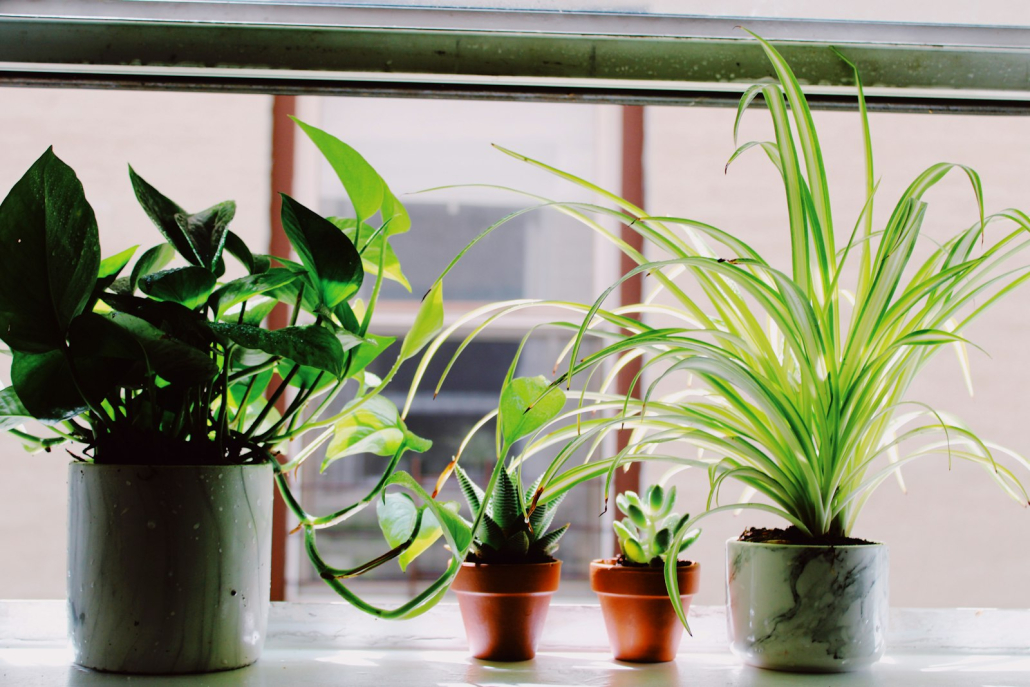
Most houseplants are tropical and must stay indoors in winter. Their main winter threats are cold drafts from windows and doors, chilly windowsills at night, and dry air from heating. Move plants a little back from cold glass on freezing nights, water less often (overwatering is the most common winter mistake, as our guide to common gardening mistakes explains), and group plants together to raise humidity. For specific plants, see our peace lily care guide and our list of low-light indoor plants that cope well with short winter days.
A Winter Preparation Timeline
Use this month-by-month plan to protect plants in winter without the last-minute rush.
- Early fall (September): take cuttings of tender plants as insurance. Start cutting back watering and feeding of container plants. Keep an eye on forecasts.
- Mid fall (October): bring frost-tender container plants inside before the first frost. Mulch borders and the crowns of tender perennials. Move containers to sheltered spots.
- Late fall (November): lift dahlia and canna tubers where needed. Wrap vulnerable containers. Check stored plants are dry and frost-free.
- Winter (December to February): check stored plants monthly and water them very sparingly. Watch for severe cold snaps and add extra protection when needed.
- Late winter (February to March): remove protection gradually as temperatures rise. Pot up stored tubers indoors to give them a head start, and move overwintered plants back into better light.
These dates suit most of the US and Europe; shift them a few weeks earlier in colder zones and later in mild ones.
Common Winter Protection Mistakes
Acting too late
The most common mistake people make when they try to protect plants in winter is waiting until after the first frost. By then the damage is done. Watch the forecast and protect plants before temperatures fall below freezing.
Wrapping too tightly
Plants wrapped tightly with no airflow can develop mold and rot. Use breathable materials and leave some air around the stems.
Forgetting to water
Plants still need occasional water in winter, especially evergreens and sheltered container plants that rain does not reach. Check every two to three weeks and water lightly if the potting mix has dried out completely.
Pruning at the wrong time
Pruning in fall encourages soft new growth that frost easily damages. Leave pruning of tender plants until spring, except for removing damaged or diseased growth.
Frequently Asked Questions
At what temperature should I protect plants in winter?
Protect frost-tender plants whenever the forecast drops toward 32°F (0°C). Frost can form on plants even when the air is a few degrees above freezing on clear, still nights, so act early.
Can I use bed sheets or blankets to protect plants from frost?
Yes, for a night or two. Drape them over a frame or stakes so they do not crush the plants, and remove them the next morning so plants get light and air.
Should I water plants before a freeze?
Watering the soil a day before a frost can help, because moist soil holds and releases more heat than dry soil. Avoid soaking plants that already sit in wet ground.
How do I protect potted plants in winter?
Move pots to a sheltered spot, wrap them in bubble wrap or burlap, raise them on feet for drainage, and bring tender plants into a garage, shed or the house.
Final Thoughts
Learning to protect plants in winter is really about knowing your plants and your climate well enough to act before the cold does. That knowledge builds year by year; your second winter of protecting dahlias will be easier than your first.
Start with the basics: mulch, move containers to shelter, and bring obviously tender plants inside. You do not need to protect everything perfectly in your first year. Learning which plants need help and which sail through on their own is part of the fun.
And when spring arrives and your protected plants burst back into growth, every bit of fall preparation will feel worth it.

Aqdas Rehman is the founder of Plants Insider. He started the Plants Insider YouTube channel in 2018, sharing plant varieties, propagation and plant-care videos that have been watched by plant lovers around the world, and launched plantsinsider.com in 2021 to turn those lessons into practical, easy-to-follow guides for indoor plants, gardening and growing your own food.

Leave a Reply
Want to join the discussion?Feel free to contribute!