
10 Common Gardening Mistakes and How to Avoid Them
Estimated read time: 11 minutes
Every gardener has a graveyard. A corner of the memory where the plants that did not make it quietly reside: the tomatoes that got blossom end rot, the roses that never bloomed, the herbs that dissolved into mush after one too many waterings. If you garden long enough, you collect a few of these moments.
The thing is, most gardening mistakes are not bad luck. They are patterns, the same mistakes made again and again by people who were never told any differently. Once you know the patterns, you can break them.
Since 2018, I have been growing plants and sharing what I learn on the Plants Insider YouTube channel, and the same questions come up in our comments again and again. What follows is an honest guide to the 10 most common gardening mistakes and, more importantly, exactly what to do instead.
Mistake 1: Overwatering
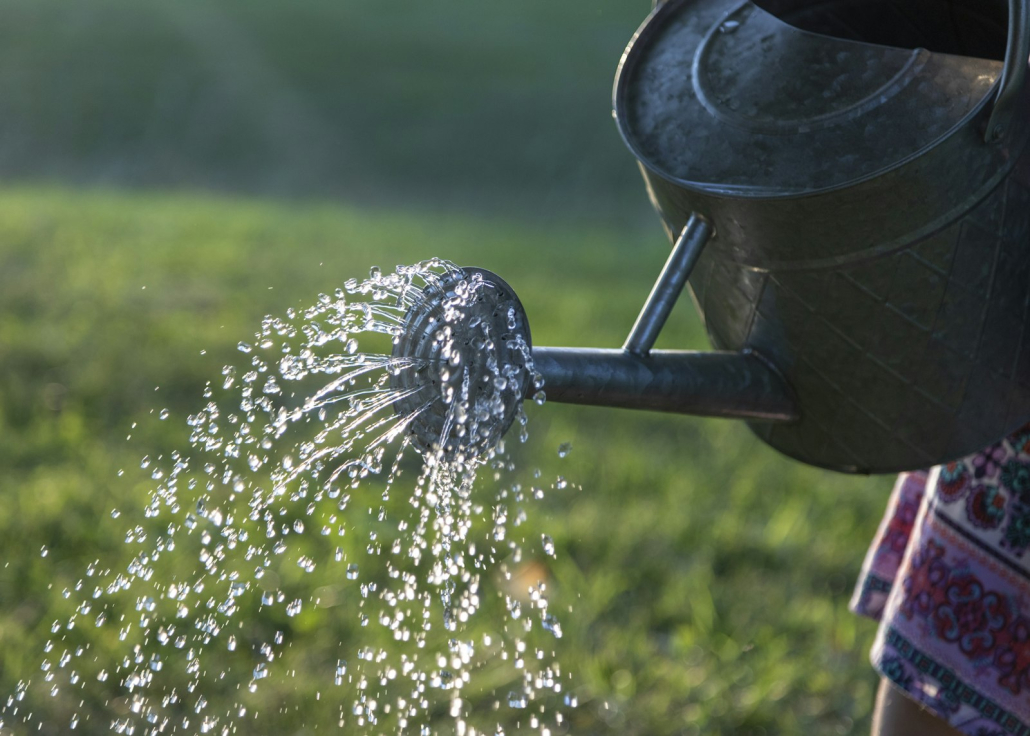
Overwatering is one of the most common gardening mistakes, and one of the leading causes of death for container plants and houseplants. It comes from a good place: the urge to nurture, to make sure the plant has what it needs.
The problem is that many gardeners water on a schedule rather than when the plant actually needs it. They water every morning because that is what they have always done, whether or not the soil is already moist, whether it rained overnight, or whether the plant is showing any sign of thirst.
Roots need both water and oxygen. When soil stays waterlogged, the oxygen is squeezed out and the roots begin to suffocate and rot. A plant with rotting roots cannot take up water even when it is surrounded by it, which is why overwatered plants often look exactly like underwatered ones, with drooping, yellowing leaves.
The fix: always check the soil before watering. Push your finger an inch or two into the soil. If it feels moist, wait. If it is dry, water thoroughly. For more on reading the leaves, our guide to why indoor plant leaves turn yellow walks through the whole diagnosis.
We cover what to do when plants suddenly wilt in this Plants Insider video (in Urdu):
Mistake 2: Planting in the Wrong Spot
Of all the gardening mistakes beginners make, this one happens most often when a beginner falls in love with a plant at the nursery and buys it without thinking about where it will live. A sun-loving Mediterranean herb in a shaded corner will never thrive, however lovingly you care for it. A shade-loving fern in direct afternoon sun will crisp up within days.
Every plant has evolved for a particular set of conditions: light, soil type, moisture, temperature and airflow. Plant it outside those conditions and you are working against nature rather than with it.
The fix: before you buy any plant, check what it needs. Read the label, look it up, or ask at the nursery. Then walk your garden at different times of day and notice where the sun falls, which spots stay damp and which catch the wind. Match the plant to the place, not the other way around.
Mistake 3: Ignoring Soil Quality
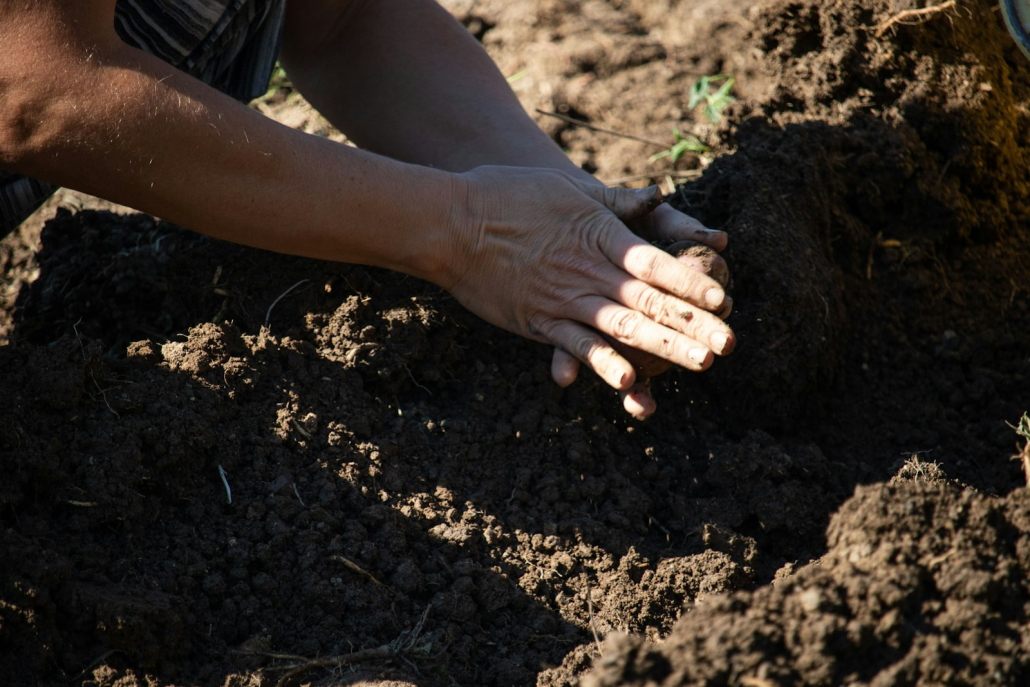
Poor soil sits behind many gardening mistakes. Gardeners spend a lot of time thinking about plants and not nearly enough thinking about soil. Yet soil is the foundation of everything. Poor soil, whether too sandy, too compacted, too acidic or too depleted, will hold your plants back no matter what else you do right.
Much of what matters in soil is invisible. The microorganisms, fungi and small creatures that make up a healthy soil ecosystem are what separate a garden that merely survives from one that truly thrives.
The fix: invest in your soil before you invest in plants. Add compost, homemade or bought, to improve structure and fertility. Our step-by-step guide on how to make compost at home shows you how. Test your soil’s pH if particular plants keep struggling, and mulch regularly to protect the surface.
Mistake 4: Planting at the Wrong Time
Timing mistakes are among the easiest gardening mistakes to avoid. Timing matters enormously. Plant tomatoes too early in spring and a late frost can kill them overnight. Plant garlic too late in fall and it will not root before winter. Sow seeds in the peak of summer and many simply will not germinate in the heat.
Many gardeners follow seed packets too loosely or use planting calendars written for a different climate. A calendar for Minnesota will give very different dates from one for Texas, just as one for Scotland differs from one for southern Spain.
The fix: find a planting calendar for your own region and climate. Note your last frost date in spring and first frost date in fall, because most seasonal decisions revolve around them. In the US, your USDA hardiness zone is a good starting point. When in doubt, wait: a plant put in at the right time will usually outperform one planted too early.
Mistake 5: Overcrowding Plants
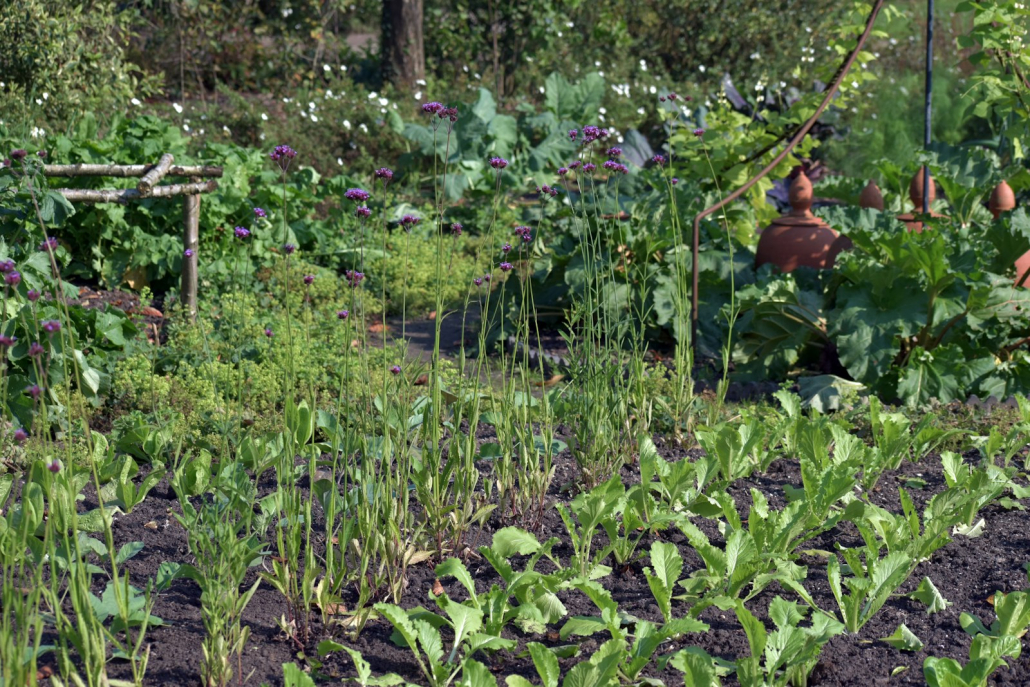
Seed packets and plant labels always include spacing recommendations, and gardeners often ignore them. The seedlings look so small and the bed so bare; surely a few extra plants will not hurt?
They will. Overcrowded plants compete for water, nutrients and light. Air circulation drops, creating the humid conditions fungal diseases love. The plants that survive are weaker and produce less than they would with proper spacing.
The fix: follow the spacing guidance. It feels wasteful at first, but the gaps fill in as plants grow, and you get healthier plants and bigger harvests. If the empty space bothers you, fill it for now with fast salad greens that you can harvest before the main plants need the room.
Mistake 6: Not Mulching
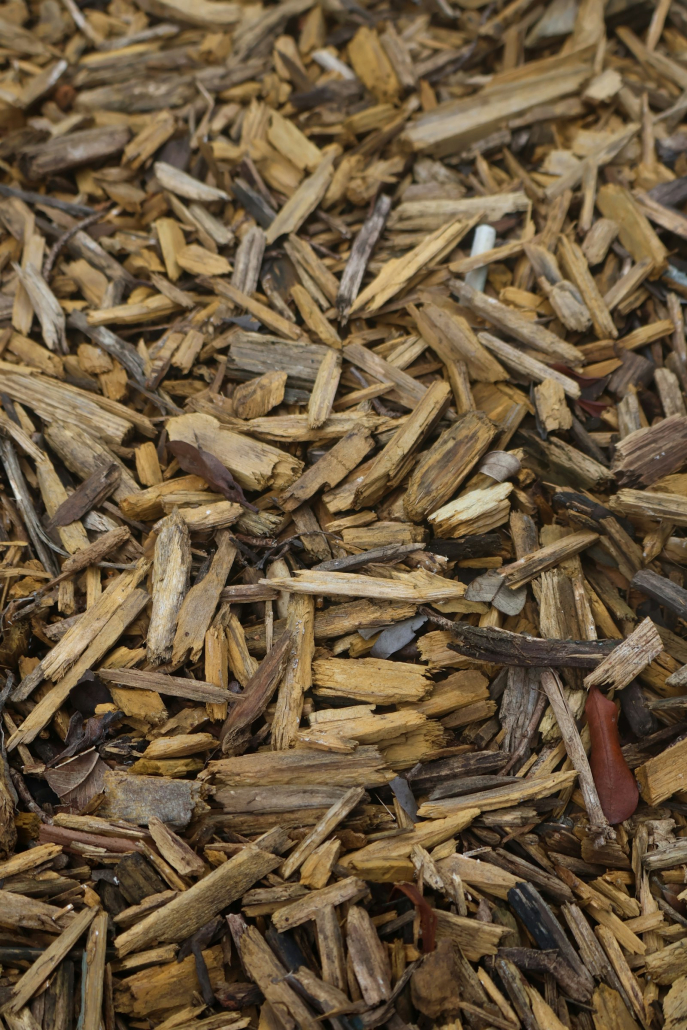
Mulching is one of the least glamorous gardening jobs, and one of the most useful. A layer of mulch suppresses weeds by blocking light, holds moisture by reducing evaporation, evens out soil temperature, and slowly feeds the soil as it breaks down.
Gardeners who do not mulch spend far more time weeding and watering than those who do. It pays back its effort many times over during the season.
The fix: spread 2 to 3 inches (5 to 8 cm) of mulch around your plants once the soil has warmed up in spring. Good options include homemade compost, wood chips, straw, shredded leaves and well-rotted manure. Keep mulch away from stems and trunks to prevent rot.
Mistake 7: Not Feeding Plants
Plants in containers or busy vegetable beds need feeding. Unlike plants in open ground, whose roots can search a wide area for nutrients, container plants depend entirely on what you give them, and raised beds quickly use up the nutrients in a limited amount of soil.
Many gardeners water faithfully but forget to fertilize, then wonder why their plants look pale and thin. Nutrient deficiency looks a lot like several other problems, so it often goes undiagnosed.
The fix: learn what your plants need and when. Leafy vegetables need nitrogen for lush growth. Fruiting plants like tomatoes and peppers need more phosphorus and potassium once they flower. Use a balanced fertilizer in the growing season and switch to a high-potassium feed once fruit sets. Our guide to the best fertilizers for home gardens goes into exactly which products to use and when.
Mistake 8: Ignoring Pests Until It Is Too Late
Like most gardening mistakes, pest problems almost always start small: a few aphids on a new shoot, some holes in a leaf, a caterpillar under a cabbage leaf. At that stage they are easy to deal with. But most gardeners do not notice until the infestation has taken hold.
Regular checking, getting close to your plants and looking carefully, including under the leaves and at the soil surface, is the difference between catching problems early and losing whole plants.
The fix: check your plants properly at least once a week and act as soon as you find pests. Aphids can be knocked off with a strong jet of water. Caterpillars and slugs can be picked off by hand. For more stubborn problems, neem oil or insecticidal soap are effective organic options. The earlier you act, the gentler the treatment can be.
Mistake 9: Giving Up Too Soon
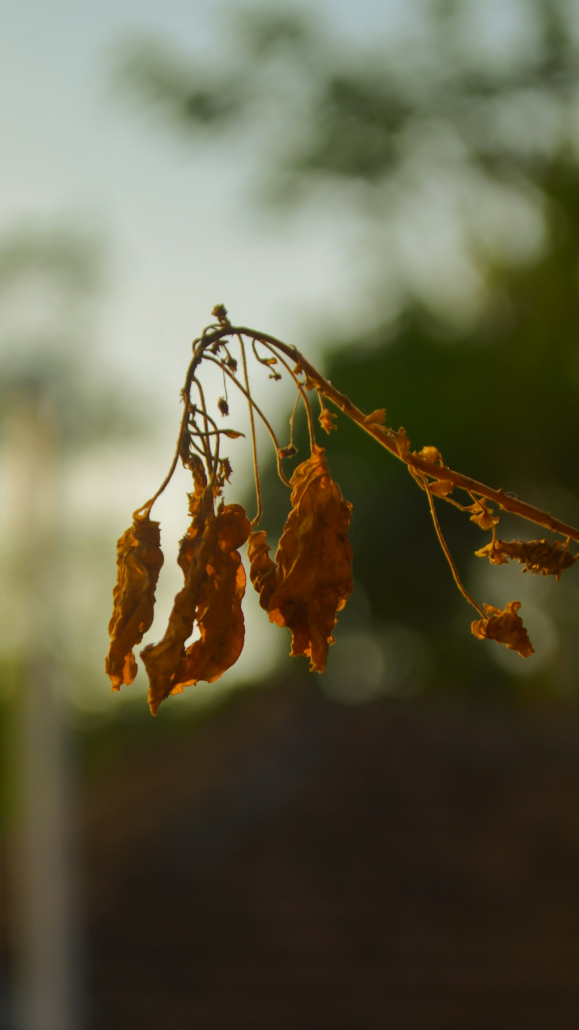
Gardening involves loss. Plants die. Crops fail. A whole bed of seedlings can vanish to slugs overnight. Some seasons almost nothing goes right. That is just gardening.
The mistake is treating a setback as a verdict rather than as information. Every failed plant teaches you something. Every pest outbreak shows you a gap in your defenses. Every crop that bolted, drowned or got sunburnt makes you a better gardener next year.
The fix: keep a simple garden journal. Note what you planted, when, what happened and what you would do differently. Over a few seasons you will build a personal guide to your own space that no book can match. And keep going: the gardeners with the most beautiful, productive gardens are nearly always the ones who simply refused to quit.
Mistake 10: Buying Too Much Too Soon
The last of our gardening mistakes catches almost every enthusiastic beginner. You visit a nursery in spring when everything looks gorgeous, and suddenly you feel able to grow a kitchen garden, a cutting garden, a herb spiral and a wildflower meadow all in one season.
You go home with more plants and seeds than you can realistically manage, plant everything in a rush, and then feel overwhelmed by the upkeep. Half the plants get neglected, several die, and the whole thing becomes stressful rather than joyful.
The fix: start small. Very small. Three or four vegetables in one bed. A handful of herbs on a sunny windowsill or in a few pots. A couple of tough flowering plants for a border. Master those before you expand. Gardening should add to your life, not leave you feeling guilty about everything you have not done this week.
The best garden you will ever have is the one you can actually keep up with.
Frequently Asked Questions
What is the most common gardening mistake?
Overwatering. Many plants, especially in pots, die because their roots sit in soggy soil. Always check that the top inch or two of soil is dry before watering.
How can beginners avoid gardening mistakes?
Start small, choose plants that suit your light and climate, improve your soil with compost, and check your plants every week. Most common gardening mistakes come from rushing.
Why do my plants keep dying even though I water them?
Often it is too much water rather than too little, or a plant in the wrong amount of light. Check the soil moisture and the plant’s light needs before changing anything else.
Wrapping Up
Every mistake on this list is one we see again and again in our comments and messages. The good news is that gardens are forgiving. Soil can be improved. Plants can be moved. Mistakes can be composted and turned into next season’s success.
If there is one lesson behind all these gardening mistakes, it is this: slow down. Observe before you act. Check the soil before you water. Research the plant before you buy it. The best gardening decisions are almost always the unhurried ones.
For more hands-on guidance, see our article on plants you can grow from stem cuttings, a brilliant way to multiply your favorite plants for free. And if you are growing indoors, our list of the 10 best low-light indoor plants for beginners is a great place to build confidence.

Aqdas Rehman is the founder of Plants Insider. He started the Plants Insider YouTube channel in 2018, sharing plant varieties, propagation and plant-care videos that have been watched by plant lovers around the world, and launched plantsinsider.com in 2021 to turn those lessons into practical, easy-to-follow guides for indoor plants, gardening and growing your own food.

Leave a Reply
Want to join the discussion?Feel free to contribute!